Fire Door Maintenance in London: Why Regular Inspections Are Essential for Building Safety

Fire safety is one of the most critical responsibilities for property owners, landlords, facility managers, and business operators. Among the many fire protection measures installed in buildings, fire doors play a vital role in preventing the spread of fire and smoke, protecting escape routes, and saving lives. However, simply installing fire doors is not enough. Regular Fire Door Maintenance in London is essential to ensure these life-saving systems perform effectively when needed.
With strict fire safety regulations and increasing awareness of building safety standards across the UK, maintaining fire doors has become a legal and practical necessity. Whether you manage a residential apartment block, office building, school, healthcare facility, or commercial property, understanding the importance of fire door maintenance can help you remain compliant while protecting occupants and assets.
What Is a Fire Door?
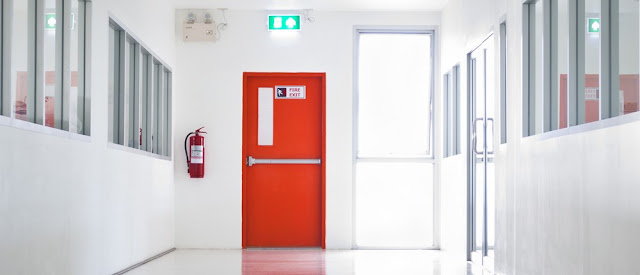
A fire door is a specially designed door assembly engineered to resist the spread of fire and smoke for a specified period, typically 30 or 60 minutes. These doors form an integral part of a building's passive fire protection system.
Unlike standard doors, fire doors are constructed using fire-resistant materials and fitted with specific components such as:
- Intumescent strips
- Smoke seals
- Fire-rated hinges
- Self-closing devices
- Fire-resistant glazing
- Certified door frames
When a fire occurs, these elements work together to contain flames and smoke, allowing occupants additional time to evacuate safely and enabling emergency services to respond effectively.
Why Fire Door Maintenance Is Important
Over time, daily wear and tear can compromise the effectiveness of fire doors. Damage, poor adjustments, missing components, or improper repairs may prevent a fire door from functioning correctly during an emergency.
Regular Fire Door Maintenance in London helps identify and resolve issues before they become serious safety risks.
Key benefits include:
1. Enhanced Life Safety
Fire doors create protected escape routes that help occupants exit safely during a fire. Proper maintenance ensures doors close correctly and provide the required level of fire resistance.
2. Legal Compliance
Building owners and responsible persons must comply with UK fire safety legislation, including the Regulatory Reform (Fire Safety) Order 2005 and the Fire Safety Act 2021. Regular inspections and maintenance help demonstrate compliance with these regulations.
3. Reduced Property Damage
Well-maintained fire doors help contain fire within a specific area, limiting damage to the building and reducing costly repair expenses.
4. Insurance Protection
Many insurance providers require compliance with fire safety regulations. Failure to maintain fire doors may affect insurance claims following a fire incident.
Common Fire Door Defects
Professional fire door inspections frequently uncover issues that could compromise safety. Some of the most common defects include:
Damaged Door Leaves
Cracks, holes, warping, or excessive wear can weaken a fire door's ability to resist fire and smoke.
Missing or Damaged Intumescent Seals
Intumescent strips expand when exposed to heat, helping seal gaps around the door. Missing or damaged seals reduce fire resistance.
Faulty Self-Closers
A fire door should close fully and latch securely without assistance. Faulty self-closing mechanisms are among the most common maintenance issues.
Incorrect Gaps
Fire doors require specific clearance gaps around the frame. Excessive gaps can allow smoke and flames to spread more rapidly.
Damaged Hinges
Loose, worn, or non-fire-rated hinges may affect door performance and compliance.
Unauthorized Alterations
Installing non-approved locks, letterboxes, vision panels, or other modifications can compromise the door's fire rating.
Fire Door Maintenance Requirements in London
London's diverse property landscape includes residential developments, commercial offices, educational institutions, healthcare facilities, and heritage buildings. Each type of property presents unique fire safety challenges.
Routine maintenance should include:
- Visual inspections
- Functional testing
- Hardware checks
- Seal inspections
- Frame assessments
- Gap measurements
- Repair or replacement of defective components
Maintenance schedules may vary depending on building usage and occupancy levels. High-traffic environments often require more frequent inspections.
How Often Should Fire Doors Be Inspected?
While specific requirements depend on the building type and risk assessment, industry best practices generally recommend:
Monthly Visual Checks
Building managers or designated staff should perform basic visual inspections to identify obvious defects.
Quarterly Reviews
More detailed inspections can help identify developing issues before they affect performance.
Annual Professional Inspections
Qualified fire door inspectors should conduct comprehensive assessments at least once a year. Larger or higher-risk buildings may require more frequent inspections.
Regular maintenance records should also be maintained to demonstrate compliance and support fire safety audits.
The Legal Responsibilities of Property Owners
In London, responsible persons—including landlords, employers, property managers, and building owners—have legal obligations to maintain fire safety systems.
These responsibilities include:
- Conducting fire risk assessments
- Ensuring fire doors remain in good working condition
- Arranging regular inspections
- Repairing identified defects promptly
- Keeping maintenance records
Failure to comply can result in enforcement notices, fines, legal action, and increased risk to building occupants.
Choosing a Professional Fire Door Maintenance Provider
Fire door maintenance should only be carried out by qualified professionals with appropriate training and experience. Incorrect repairs or non-compliant replacement parts can invalidate fire door certification and reduce safety performance.
When selecting a provider for Fire Door Maintenance in London, consider:
Industry Experience
Choose specialists with proven expertise in fire door inspection, repair, and compliance.
Certification and Accreditation
Look for technicians who have relevant fire safety qualifications and training.
Comprehensive Services
A reputable provider should offer inspections, repairs, replacement parts, compliance reporting, and maintenance programmes.
Detailed Reporting
Professional inspections should include documented findings, recommendations, and photographic evidence where appropriate.
Preventative Maintenance Saves Lives
Many fire door failures occur because small issues go unnoticed or are ignored over time. A loose hinge, damaged seal, or faulty closer may seem insignificant, but during a fire, these defects can have serious consequences.
Preventative maintenance helps identify these problems early, ensuring fire doors continue to provide the protection they were designed to deliver. It also reduces long-term repair costs by addressing minor issues before they escalate into major replacements.
Conclusion
Fire doors are one of the most important components of a building's fire protection strategy. However, their effectiveness depends entirely on proper installation, regular inspections, and ongoing maintenance.
Investing in professional Fire Door Maintenance in London not only helps ensure legal compliance but also protects lives, property, and business continuity. By implementing a proactive maintenance programme, property owners and managers can significantly improve building safety while reducing risks associated with fire emergencies.
Regular fire door inspections are not simply a regulatory requirement—they are a crucial investment in the safety and wellbeing of everyone who uses your building.


Comments
Post a Comment